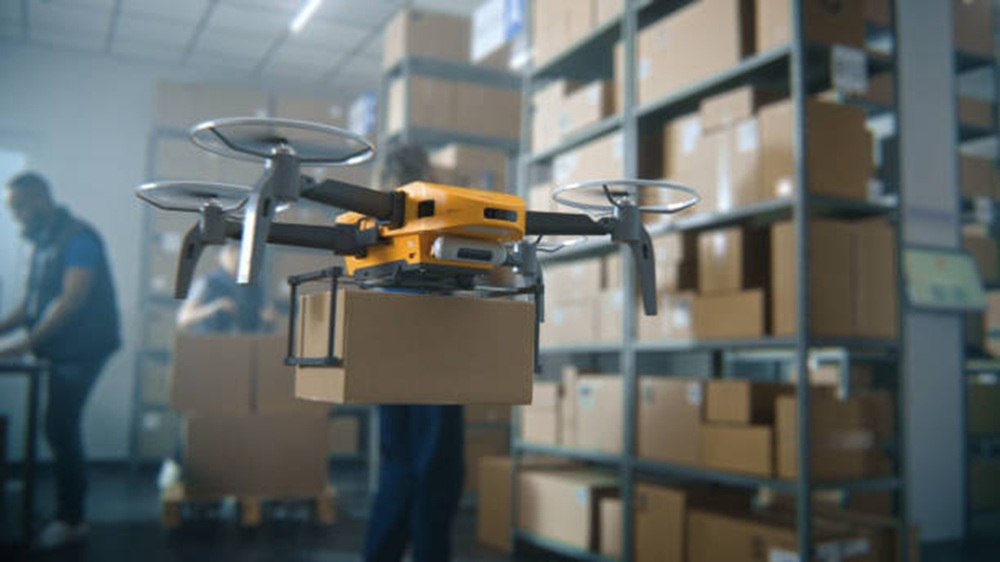
Drone delivery is transforming supply chain operations by introducing flexible transportation options that can reduce delivery times, improve distribution efficiency, and increase accessibility. Businesses can use uncrewed aerial vehicles to transport lightweight goods between designated locations without relying entirely on traditional ground transportation. This approach creates opportunities to address logistical challenges across several commercial sectors.
Unlike conventional delivery vehicles, drones can travel directly between suitable locations without encountering road congestion. Their ability to follow efficient aerial routes makes them particularly useful for time-sensitive shipments. Businesses exploring this technology can develop transportation strategies that combine established logistics networks with specialized aerial delivery services to meet changing customer expectations.
Improving Last-Mile Delivery Efficiency
Last-mile delivery often presents significant challenges because of traffic congestion, transportation expenses, and unpredictable customer locations. Commercial drones offer an alternative for completing selected deliveries more efficiently. By transporting packages directly to approved destinations, aerial delivery systems can help businesses reduce dependence on conventional vehicles for certain short-distance shipments.
Retailers and logistics providers can incorporate drone delivery into existing distribution networks based on package characteristics and destination requirements. Smaller products that require rapid transportation may be especially suitable for this approach. Strategic deployment allows businesses to improve service availability while maintaining conventional transportation methods for heavier shipments and more complex delivery requirements.
Expanding Access to Remote Communities
Geographical barriers can make traditional supply chain operations difficult in rural and isolated communities. Poor road conditions, mountainous terrain, and limited transportation infrastructure often increase delivery times. Drones provide an additional transportation option that could help businesses reach underserved locations more efficiently when flight conditions and operational requirements allow.
Healthcare organizations, retailers, and agricultural suppliers may benefit from improved access to these areas. For example, aerial transportation can support the distribution of essential medical supplies or small replacement components. Establishing reliable delivery connections between regional distribution centers and remote destinations could improve product availability while reducing transportation delays caused by geographical limitations.
Strengthening Inventory and Warehouse Management
Commercial drones can support supply chain efficiency beyond external package transportation. Within suitable industrial facilities, specialized drones equipped with scanning technology can assist with inventory verification and product location tracking. These applications help warehouse managers collect accurate information about stored goods without relying exclusively on time-consuming manual inspection processes.
Connecting drone operations with warehouse management software can improve inventory visibility across distribution networks. Businesses can use collected information to identify stock discrepancies, monitor storage conditions, and coordinate replenishment activities. Better inventory awareness helps organizations maintain appropriate product quantities, minimize unnecessary storage expenses, and respond more effectively to fluctuations in customer demand.
Reducing Operational Costs Through Strategic Deployment
The financial benefits of drone delivery depend on how businesses incorporate aerial transportation into their supply chain strategies. Certain delivery routes may become more economical when drones replace resource-intensive ground transportation. However, equipment purchases, battery replacement, maintenance, software integration, and operator training must also be considered when evaluating potential savings.
Companies should assess delivery frequency, package weight, travel distance, and operational expenses before expanding drone programs. Pilot projects can help organizations compare aerial delivery performance with conventional transportation methods under realistic conditions. These evaluations provide valuable information about whether drone technology can deliver measurable financial improvements while maintaining dependable service quality.
Integrating Automation Into Distribution Networks
Automated flight systems and intelligent logistics software can help businesses coordinate drone deliveries with greater accuracy. These technologies support route planning, shipment tracking, battery monitoring, and delivery scheduling. Integrating aerial transportation with existing distribution platforms allows organizations to manage different transportation methods through a more coordinated operational framework.
Automation can also improve communication between warehouses, transportation teams, and customer service departments. Real-time shipment information helps employees monitor delivery progress and respond to unexpected disruptions. As businesses develop more connected supply chain systems, drone technology could become a specialized component of broader distribution networks that prioritize flexibility, reliability, and efficient resource allocation.
Building Sustainable and Reliable Drone Delivery Systems
Electric delivery drones may help reduce direct transportation emissions when they replace suitable trips made by fuel-powered vehicles. However, their overall environmental performance depends on electricity sources, battery manufacturing, shipment volumes, and operational efficiency. Businesses should evaluate these factors carefully before making environmental claims about aerial transportation.
Long-term success also requires responsible flight management, regulatory compliance, secure data handling, and appropriate maintenance procedures. Companies must establish clear operational standards that protect employees, customers, and surrounding communities. Reliable communication systems and contingency plans are equally important when weather or technical problems interrupt scheduled deliveries. By addressing these considerations, businesses can integrate drone delivery into supply chain operations in ways that support practical growth, dependable distribution, and changing market demands.